
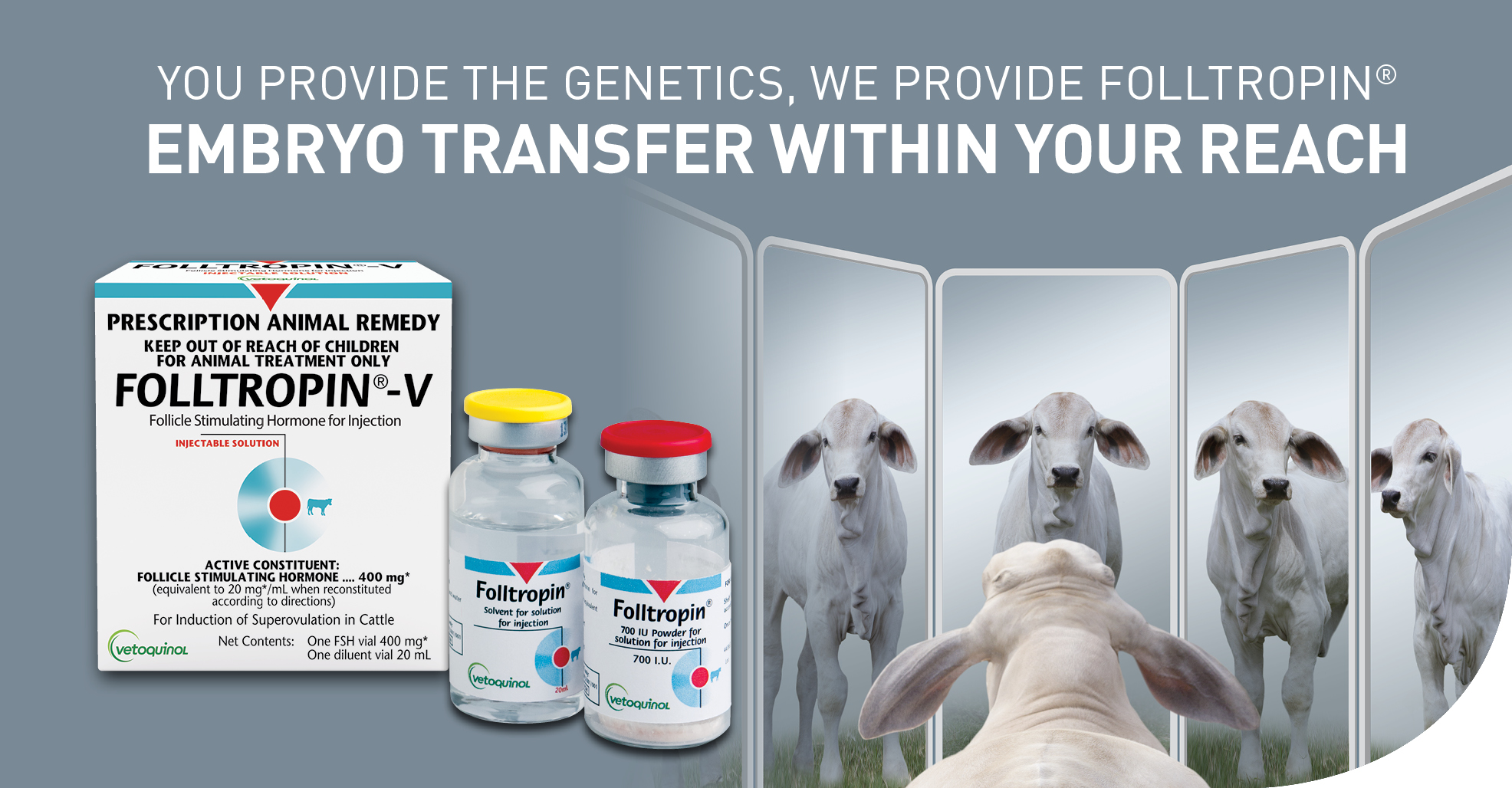
Successful cattle breeding programs depend on precise reproductive management, especially when working with valuable genetics, donor animals, and embryo transfer systems. One of the commonly discussed tools in advanced bovine reproductive biotechnology is Folltropin For Mature Heifers, a follicle-stimulating hormone (FSH)-based product used in controlled ovarian stimulation protocols.
Mature heifers represent an important stage for genetic improvement because they often combine reproductive potential with valuable herd traits. Properly managed superovulation programs can help producers maximize embryo production, accelerate genetic progress, and improve breeding efficiency.
What is Folltropin and How Does it Work?
Folltropin is a purified version of follicle-stimulating hormone (FSH), which plays a key role in the reproductive cycle of both humans and animals. In cattle, Folltropin is used to stimulate ovarian follicle development and synchronize estrus (heat) cycles in females, enhancing the chances of successful breeding.
FSH is a glycoprotein hormone produced naturally by the pituitary gland in both male and female animals. It promotes the growth and maturation of ovarian follicles, which house the eggs needed for fertilization. By administering Folltropin, you provide a controlled, concentrated dose of FSH to encourage the development of multiple follicles in the ovaries, increasing the likelihood of multiple ovulations and improving the success rates of artificial insemination (AI).
Folltropin’s primary function in mature heifers is to:
- Stimulate multiple follicle development.
- Synchronize ovarian cycles.
- Improve AI success rates.
- Increase fertility and conception rates.
Why Use Folltropin For Mature Heifers?
Mature heifers can be valuable donors because they may have:
- Proven genetic characteristics
- Strong reproductive health
- Better body development compared with younger animals
- Higher value in breeding programs
A carefully managed stimulation program may help breeders increase the number of transferable embryos obtained from genetically superior animals.
Main Advantages Include:
1. Supports Multiple Follicle Development
Normally, cattle develop one dominant follicle during a reproductive cycle.
FSH-based stimulation aims to encourage the growth of multiple follicles, which can increase the opportunity for embryo production.
2. Helps Accelerate Genetic Improvement
Traditional breeding requires one offspring per pregnancy.
Embryo transfer programs allow producers to multiply genetics from elite females faster.
Example:
A high-value mature heifer with desirable traits such as:
- Milk production
- Growth rate
- Fertility
- Disease resistance
can contribute genetics to multiple offspring through embryo technology.
3. Improves Breeding Program Efficiency
For commercial and seedstock operations, reproductive technologies can help:
- Reduce generation intervals
- Increase valuable offspring numbers
- Preserve superior genetics
- Improve herd performance
How to Administer Folltropin to Mature Heifers?
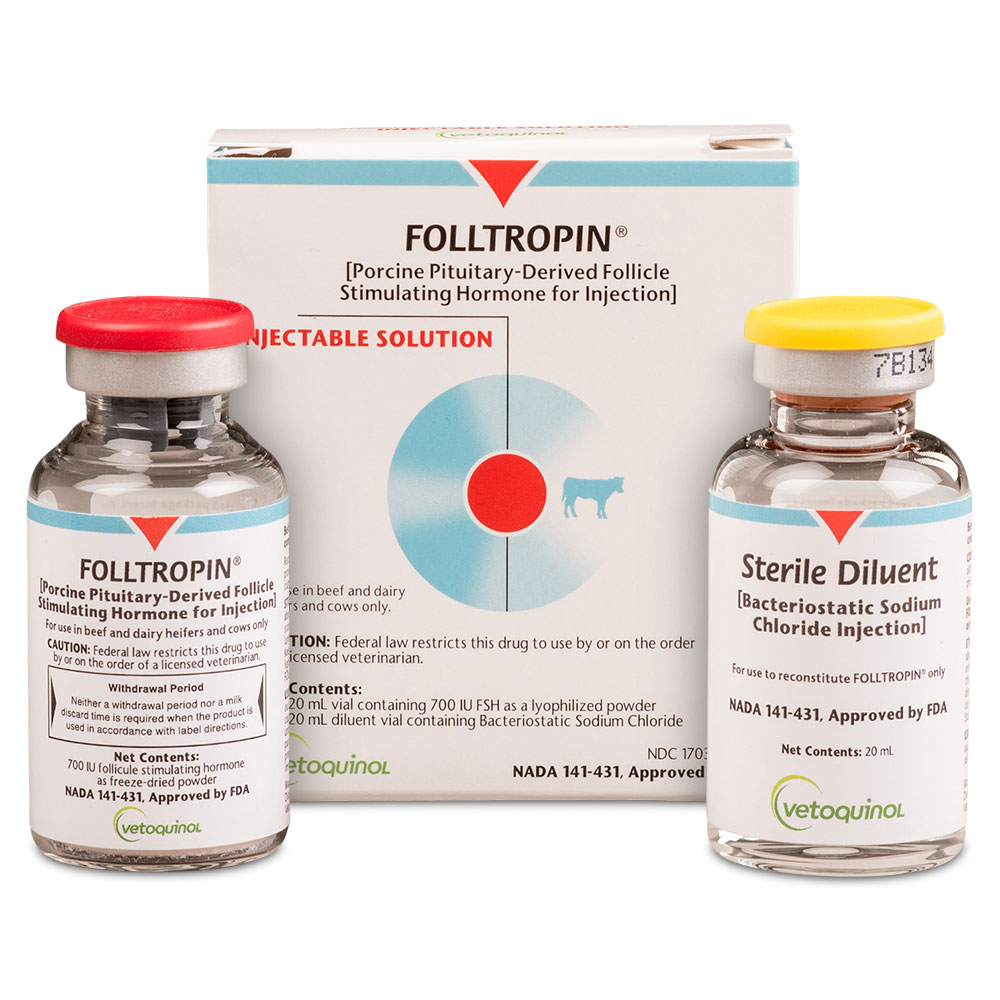
Administering Folltropin is a relatively straightforward process, but it requires attention to detail to ensure proper dosage and effectiveness. Here is a basic guide on how to use Folltropin in mature heifers:
- Dosage and Administration
Folltropin is typically administered via subcutaneous injection. The recommended dosage will vary depending on the age and size of the heifer, as well as the specific product being used. It’s essential to follow the manufacturer’s instructions carefully to avoid over- or under-dosing. - Timing of Administration
The timing of the Folltropin injection is crucial to achieving the desired reproductive results. Typically, Folltropin is administered 2-3 days prior to estrus synchronization or AI procedures. The exact timing should be tailored to your herd’s reproductive program and your veterinarian’s recommendations. - Monitoring the Heifers
After administering Folltropin, you should closely monitor the heifers for signs of estrus. This is when they will be most receptive to breeding. If using AI, it’s essential to time insemination for the optimal window, which may be 12-24 hours after the onset of estrus. - Consult a Veterinarian
If you’re new to using Folltropin or have questions about how it should be administered, consult with a veterinarian or reproductive specialist. They can guide you through the process and ensure you are using the hormone correctly for the best results.
Considerations When Using Folltropin for Mature Heifers
While Folltropin can provide significant benefits, it’s important to consider certain factors before incorporating it into your reproductive management plan:
- Individual Heifer Health
Before using Folltropin, ensure that your heifers are in good health. Hormone treatments may not be effective in sick or undernourished animals. A thorough health checkup and proper nutrition are vital for the success of Folltropin treatment. - Genetic Potential
Folltropin is most effective in heifers that have good genetic potential for fertility and reproduction. If your herd includes cows with poor reproductive history or genetic predispositions for low fertility, you may need to implement other management strategies in conjunction with Folltropin use. - Cost Considerations
While Folltropin is a valuable tool in improving reproductive success, the costs can add up. Make sure to evaluate the cost-effectiveness of using Folltropin based on your herd’s size and reproductive goals. If you have a large herd, the expenses may outweigh the benefits, so consider using the treatment selectively. - Regulatory Compliance
Check your local regulations to ensure that Folltropin is approved for use in your area. Some regions may have restrictions or requirements for the use of certain hormones in livestock, so it’s essential to stay informed and compliant with agricultural laws.
Common Challenges When Using Folltropin in Mature Heifers
Even with advanced reproductive tools, results can vary.
Challenge 1: Variable Ovarian Response
Not every heifer responds identically.
Factors affecting response include:
- Age
- Breed
- Body condition
- Nutrition
- Stress levels
- Reproductive history
Challenge 2: Poor Body Condition
Nutrition has a major impact on reproductive performance.
A mature heifer should have:
- Proper energy balance
- Adequate protein intake
- Essential minerals
- Good overall health
Challenge 3: Incorrect Timing
Reproductive hormones require accurate timing.
Poor synchronization can reduce:
- Follicular response
- Fertilization success
- Embryo quality
Best Practices for Better Results With Folltropin For Mature Heifers
1. Select Suitable Donor Animals
Ideal candidates usually have:
✓ Strong reproductive history
✓ Healthy ovaries
✓ Good body condition
✓ Valuable genetics
✓ No major health issues
2. Maintain Proper Nutrition
A reproductive nutrition program should include:
- Balanced minerals
- Adequate vitamins
- Quality forage
- Proper energy intake
3. Work With Experienced Reproductive Specialists
Embryo programs require expertise in:
- Hormone protocols
- Ultrasound monitoring
- Artificial insemination
- Embryo recovery
4. Track Performance Data
Professional operations should record:
- Donor response
- Number of embryos recovered
- Embryo quality
- Pregnancy outcomes
Data helps optimize future programs.
Folltropin For Mature Heifers vs Traditional Breeding
| Factor | Traditional Breeding | Folltropin-Based Embryo Programs |
|---|---|---|
| Genetic multiplication | Slower | Faster |
| Offspring from elite female | Limited | Increased potential |
| Technology requirement | Lower | Higher |
| Management level | Basic | Advanced |
| Veterinary involvement | Moderate | Essential |
Folltropin Frequently Asked Questions
What is Folltropin used for in mature heifers?
Folltropin is used in veterinary reproductive programs to stimulate follicular development as part of controlled ovarian stimulation protocols, commonly associated with embryo transfer programs.
Can Folltropin improve embryo production in mature heifers?
Response varies between animals. Factors such as genetics, nutrition, reproductive health, and protocol management influence embryo production outcomes.
Is Folltropin safe for mature heifers?
Veterinary reproductive products should be used according to professional guidance, approved protocols, and applicable regulations.
How does Folltropin work?
Folltropin contains FSH activity that stimulates ovarian follicle development, supporting controlled reproductive management.
What factors affect Folltropin results?
Important factors include:
- Animal health
- Nutrition
- Breed
- Age
- Hormonal protocol
- Management quality
Is Folltropin suitable for all cattle?
Suitability depends on reproductive goals, animal condition, and veterinary recommendations.
Conclusion: Is Folltropin Right for Your Herd?
Folltropin can be a game-changer in the reproductive management of mature heifers. By improving fertility, synchronizing cycles, and boosting conception rates, it offers numerous benefits for farmers looking to maximize their herd’s productivity. However, it’s essential to consider the costs, potential side effects, and overall management strategy before introducing Folltropin into your farm’s routine.
For optimal results, always consult with a veterinarian and consider tailoring your reproductive program to meet the specific needs of your herd. With the right approach, Folltropin can be a valuable tool in achieving long-term success in cattle breeding.
Other Veterinary Solution Includes
