
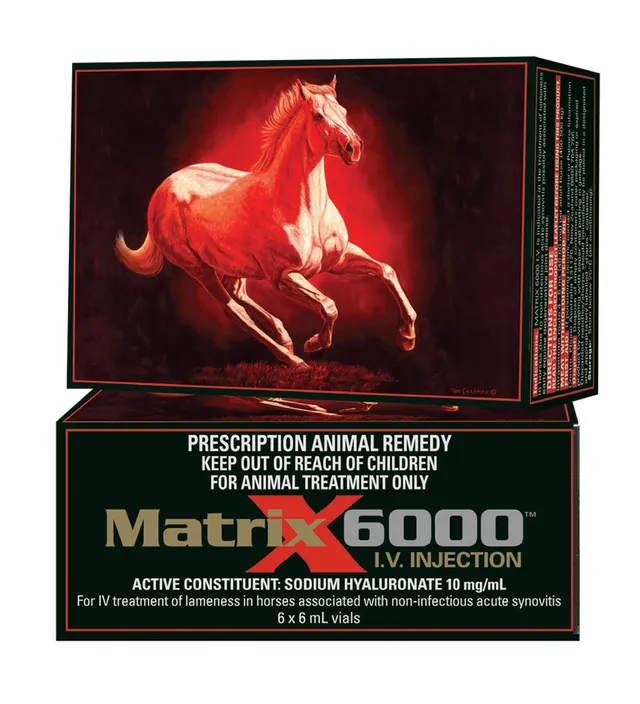
In the realm of veterinary medicine and animal care, advancements in joint health treatments have revolutionized how we approach the management of osteoarthritis and other joint-related ailments in animals. One such breakthrough is the use of Matrix 6000 for animal use. This innovative injectable therapy offers a safe, effective, and scientifically backed solution to improve joint function, reduce pain, and enhance the quality of life for animals suffering from degenerative joint diseases.
We will explore everything you need to know about Matrix 6000, its composition, benefits, application methods, safety profile, and how it compares to other treatment options. Whether you’re a veterinarian, animal physiotherapist, or pet owner seeking reliable information, this article aims to provide valuable insights based on current research and clinical practices.
What is Matrix 6000 for Animal Use?
Matrix 6000 is a specialized intra-articular injection designed explicitly for animal use, primarily targeting joint health. Its core active component is sodium hyaluronate at a concentration of 10 mg/ml. Sodium hyaluronate, a naturally occurring glycosaminoglycan, plays a crucial role in maintaining joint viscosity and lubrication, making it an ideal therapeutic agent for managing osteoarthritis in animals.
Composition and Formulation
- Active constituent: Sodium Hyaluronate 10 mg/ml
- Other ingredients: Stabilizers and preservatives as per manufacturer specifications
- Form: Sterile injectable solution
- Intended use: Intra-articular administration in dogs, cats, horses, and other animals
Understanding Sodium Hyaluronate: The Key to Joint Health
What is Sodium Hyaluronate?
Sodium hyaluronate is a viscous, gel-like substance naturally found in synovial fluid, cartilage, and other connective tissues. Its primary function in joints includes:
- Acting as a shock absorber
- Providing lubrication
- Facilitating nutrient transport
In osteoarthritic joints, the concentration and molecular weight of hyaluronate decrease, leading to pain, stiffness, and reduced mobility. Supplementing with exogenous sodium hyaluronate aims to restore the normal viscoelastic properties of synovial fluid.
Benefits of Sodium Hyaluronate in Animal Treatment
- Reduces joint pain and inflammation
- Improves joint lubrication and mobility
- Stimulates endogenous hyaluronate production
- Protects cartilage from further degeneration
- Delays the progression of osteoarthritis
Why Choose Matrix 6000 for Animal Use?
Scientific Evidence Supporting Its Efficacy
Research studies have demonstrated that intra-articular injections of sodium hyaluronate, such as Matrix 6000, can significantly improve clinical signs in animals with osteoarthritis. Clinical trials highlight benefits including:
- Decreased lameness
- Increased range of motion
- Reduced reliance on systemic medications like NSAIDs
- Improved gait and activity levels
Unique Features of Matrix 6000
- Optimal concentration: 10 mg/ml provides effective viscosity without excessive volume
- High molecular weight: Ensures better joint retention
- Sterility and safety: Designed specifically for intra-articular use in animals
- Ease of administration: Suitable for both small and large animals
Indications for Use
- Osteoarthritis in dogs, cats, horses, and other companion animals
- Post-traumatic joint injuries
- Degenerative joint conditions
- Post-surgical joint support
Application and Administration of Matrix 6000
Pre-Administration Considerations
- Veterinary assessment and diagnosis confirm osteoarthritis or joint pathology
- Evaluation of contraindications such as infections or joint instability
- Proper joint cleaning and aseptic techniques
How to Administer
- Preparation:
- Ensure the solution is sterile
- Use appropriate syringes and needles based on animal size and joint location
- Injection procedure:
- Sedate or anesthetize if necessary
- Locate the joint accurately
- Clean the injection site thoroughly
- Insert the needle into the joint space
- Inject the recommended dose (typically 1-2 ml for small animals; up to 5-10 ml for large animals)
- Post-injection care:
- Observe the animal for immediate adverse reactions
- Limit activity for 24-48 hours
- Follow-up assessments to evaluate response
Treatment Regimen
- Usually administered once weekly for 3-5 weeks
- Booster injections may be given every 6 months depending on clinical response
- Always follow veterinarian guidelines
Safety Profile and Potential Side Effects
Matrix 6000 with sodium hyaluronate is generally well-tolerated. However, as with any intra-articular injection, some risks include:
- Mild swelling or stiffness at the injection site
- Transient discomfort
- Rarely, allergic reactions
Precautions
- Avoid use in infected joints
- Do not administer in joints with instability or severe deformity
- Ensure aseptic technique to prevent infections
Comparing Matrix 6000 with Other Joint Therapies
Advantages Over Systemic NSAIDs
| Feature | Matrix 6000 (Sodium Hyaluronate) | NSAIDs |
|---|---|---|
| Mode of action | Restores joint lubrication | Reduces inflammation and pain systemically |
| Duration of effect | Long-lasting, up to 6 months | Short-term relief |
| Side effects | Minimal, localized | Gastrointestinal, renal, hepatic risks |
| Suitability | Chronic and degenerative conditions | Acute pain management |
Combining Treatments for Optimal Results
In some cases, veterinarians may recommend combining Matrix 6000 injections with physical therapy or nutritional supplements for comprehensive joint health management.
Frequently Asked Questions (FAQs)
1. Is Matrix 6000 suitable for all animals?
While primarily used in dogs, cats, and horses, suitability depends on individual health status and joint condition. Always consult a veterinarian.
2. How long does it take to see results?
Most animals show improvement within 2-4 weeks after initial injections, with continued benefits over several months.
3. Can I use Matrix 6000 alongside other medications?
Yes, but always inform your veterinarian about all treatments for proper coordination and safety.
4. How often should treatments be repeated?
Typically every 6 months or as recommended by the veterinarian, depending on disease progression.
5. Are there any long-term risks?
When used appropriately, long-term risks are minimal. Regular monitoring is advised.
Real-World Applications and Case Studies
Case Study 1: Canine Osteoarthritis Management
A 7-year-old Labrador Retriever with chronic osteoarthritis received weekly intra-articular injections of Matrix 6000. Over a 6-month period, the dog exhibited significant improvements in gait, reduced pain scores, and increased activity levels.
Case Study 2: Equine Joint Care
A racehorse with early signs of joint degeneration was treated with Matrix 6000 injections, leading to enhanced soundness and performance, delaying the need for more invasive interventions.
Purchasing and Handling of Matrix 6000
- Availability: Available through authorized veterinary suppliers
- Storage: Store in a cool, dry place away from direct sunlight
- Handling: Use aseptic techniques; discard unused portions
Conclusion
Matrix 6000 for animal use with sodium hyaluronate 10 mg/ml represents a significant advancement in veterinary joint therapy. Its ability to restore joint viscosity, reduce pain, and improve mobility makes it an indispensable tool for managing osteoarthritis in animals. Proper administration, combined with a comprehensive treatment plan, can dramatically enhance the quality of life for pets and working animals alike.
Final Thoughts
If you’re a veterinarian or animal owner exploring options for joint health management, consider Matrix 6000 as a potent, scientifically supported choice. Always consult with a veterinary professional to determine the most appropriate treatment regimen tailored to your animal’s needs.
Call to Action
Are you interested in learning more about Matrix 6000? Contact your trusted veterinary supplier or veterinarian today to incorporate this innovative therapy into your animal healthcare protocols.
Disclaimer: This article is for informational purposes only and does not substitute professional veterinary advice. Always consult a licensed veterinarian before initiating any treatment.
