
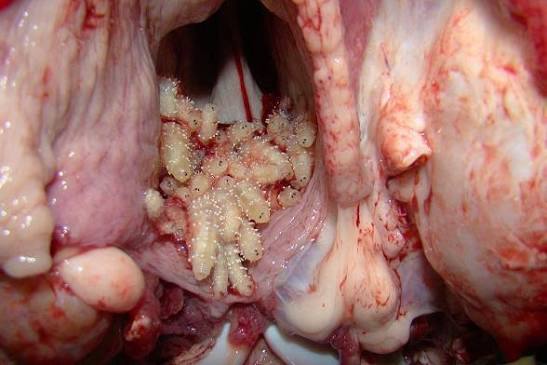
Camel herders and livestock farmers around the world are constantly battling various parasitic and infectious diseases that threaten the health of their animals. Among these, Camel Nasal Myiasis stands out as a particularly troublesome condition, affecting the respiratory health of camels and leading to significant economic losses.
We will explore what Camel Nasal Myiasis is, its causes, symptoms, diagnosis, prevention strategies, and effective treatment options. As an expert in veterinary parasitology and a dedicated researcher, I will also incorporate insights from trusted sources like Camel Racing Supplies and scientific literature to provide you with the most accurate and up-to-date information.
What is Camel Nasal Myiasis?
Camel Nasal Myiasis is a parasitic infestation caused by the larvae of certain flies, primarily Oestrus ovis (commonly known as the sheep nasal bot fly). These larvae invade the nasal passages, sinuses, and sometimes the respiratory tract of camels, leading to a condition known as myiasis—the infestation of live tissue by fly larvae.
Key Points:
- It predominantly affects adult camels but can also occur in other livestock.
- The disease is characterized by nasal discharge, sneezing, nasal irritation, and respiratory distress.
- It can cause long-term damage if untreated, including sinusitis and secondary bacterial infections.
Causes and Lifecycle of Camel Nasal Myiasis
Understanding the lifecycle of the causative agents is crucial for effective prevention.
The Culprit: Oestrus ovis
Oestrus ovis is a parasitic fly whose larvae are responsible for nasal myiasis in camels. The lifecycle involves several stages:
- Adult Flies: These are active during warmer months, especially in tropical and subtropical regions.
- Egg Laying: Female flies deposit larvae (not eggs) directly into the nasal passages of camels or sheep.
- Larval Development: The larvae mature within the nasal cavities, causing irritation and inflammation.
- Pupation: Mature larvae are sneezed out or fall to the ground, pupate, and emerge as adult flies to repeat the cycle.
Environmental Factors:
- Warm temperatures and high humidity promote fly activity.
- Poor sanitation and crowded conditions increase infection risk.
- Seasonal prevalence peaks during late spring and summer.
Symptoms and Clinical Signs of Camel Nasal Myiasis
Early detection is vital for effective treatment. The clinical signs include:
- Persistent Nasal Discharge: Often bloody and mucopurulent.
- Frequent Sneezing: Due to irritation of nasal mucosa.
- Nasal Itching and Head Shaking: Caused by larvae movement.
- Respiratory Difficulties: In severe cases, animals may show labored breathing.
- Presence of Larvae: Visible in nasal discharge or around the nostrils.
- Swelling and Sinusitis: Swelling around the face or sinuses may occur if untreated.
Note: Some camels may exhibit behavioral changes such as restlessness or decreased appetite.
Diagnosis of Camel Nasal Myiasis
Diagnosis involves a combination of clinical examination and laboratory confirmation:
- Visual Inspection: Observation of nasal discharge and larvae presence.
- Nasal Swabs: Microscopic examination to identify larvae.
- Endoscopy: Nasal endoscopy can visualize larvae within the nasal passages.
- History and Seasonality: Recent exposure during peak fly activity seasons.
Prevention Strategies for Camel Nasal Myiasis
Prevention is always better than cure. Here are effective measures:
1. Good Management Practices
- Maintain clean and dry living conditions to reduce fly breeding sites.
- Regularly clean and disinfect camel shelters.
- Avoid overcrowding to minimize stress and disease spread.
2. Use of Insecticides and Repellents
- Apply approved topical insecticides or fly repellents during peak fly seasons.
- Use fly masks or nose nets to physically prevent fly access to nasal passages.
3. Proper Nutrition and Health Care
- Healthy camels are more resistant to parasitic infestations.
- Regular deworming and veterinary check-ups.
4. Environmental Control
- Remove manure and organic waste promptly.
- Use insecticide sprays in the environment if necessary.
5. Seasonal Management
- Implement preventive measures proactively before the fly season begins.
- Monitor animals closely during high-risk periods.
Treatment Options for Camel Nasal Myiasis
If your camel shows signs of nasal myiasis, prompt treatment is essential:
1. Mechanical Removal
- Use forceps or specialized tools to extract visible larvae.
- Administer local anesthesia if necessary to ease discomfort.
2. Application of Larvicidal Agents
- Topical application of approved insecticides (e.g., ivermectin, doramectin).
- Ensure proper dosage and application as per veterinary recommendation.
3. Supportive Care
- Administer antibiotics if secondary bacterial infections are suspected.
- Provide anti-inflammatory medications to reduce swelling.
4. Surgical Intervention
- In severe cases involving sinusitis or tissue damage, surgical drainage or debridement may be required.
5. Follow-Up and Monitoring
- Regularly check for recurrence.
- Continue preventive measures to avoid reinfestation.
Economic and Welfare Impact of Camel Nasal Myiasis
The infestation can have severe economic consequences:
- Reduced milk and meat production.
- Increased veterinary costs.
- Loss of valuable breeding animals.
- Animal suffering and decreased welfare.
Effective management can significantly reduce these impacts, ensuring healthier camels and better productivity.
Scientific Insights and Research on Camel Nasal Myiasis
Recent studies highlight:
- The prevalence of Oestrus ovis in different regions.
- The role of climate change in expanding the habitat of parasitic flies.
- Advances in vaccine development for parasitic control.
- The importance of integrated pest management strategies.
For more detailed scientific insights, refer to veterinary parasitology journals and credible sources like Real Brown Beauties, which provide valuable information on livestock health management.
Conclusion
Camel Nasal Myiasis remains a significant parasitic disease impacting livestock health in many regions. Through understanding its causes, symptoms, and lifecycle, camel owners and veterinarians can implement effective prevention and treatment strategies. Regular monitoring, good management practices, and timely intervention are key to safeguarding your camels from this parasitic menace.
By staying informed and proactive, you can ensure the health, productivity, and welfare of your camels, contributing to sustainable livestock farming.
References
- Bdneny Equine Therapy
- Scientific literature on Oestrus ovis and myiasis
- Veterinary parasitology textbooks and journals
