
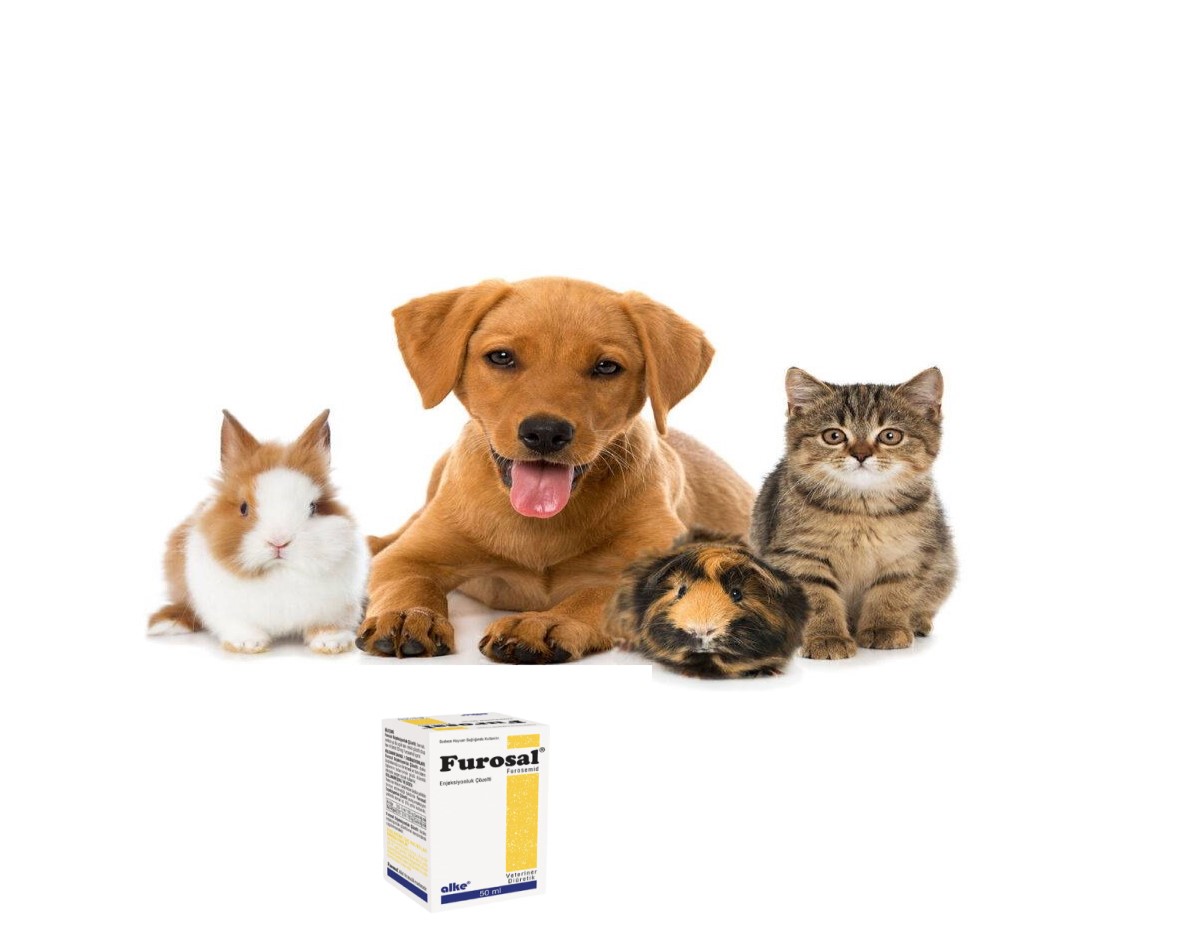
In the realm of animal health and veterinary medicine, innovative solutions continuously emerge to enhance the well-being of our beloved animals. One such breakthrough is Furosal for Animal Use, a versatile and effective product gaining popularity among veterinarians, animal breeders, and pet owners alike.
Whether you’re managing livestock, caring for pets, or involved in animal sports, understanding Furosal’s role can significantly impact your approach to animal care. This comprehensive guide aims to shed light on what Furosal is, how it works, its benefits, safety considerations, and practical applications.
What is Furosal for Animal Use?
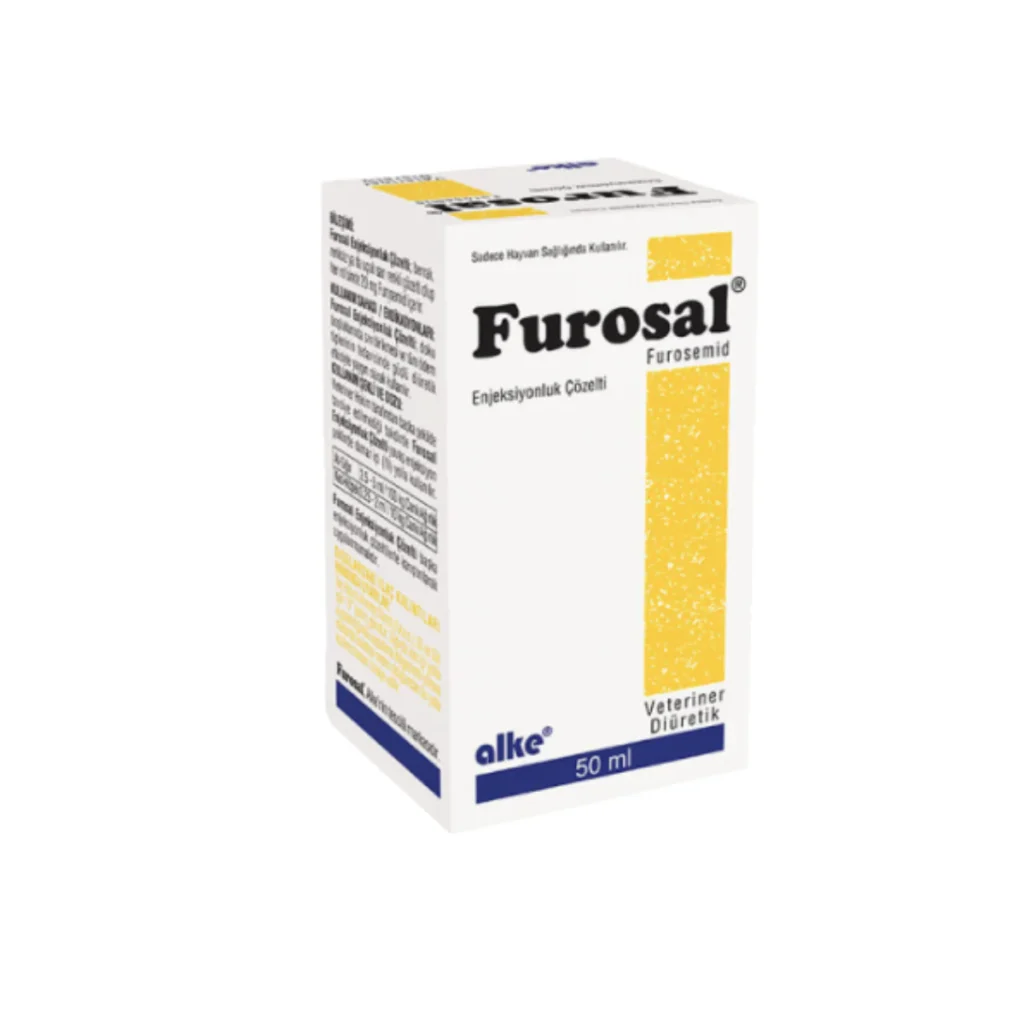
Furosal is a pharmaceutical product primarily composed of Furosemide, a potent loop diuretic. Originally developed for human medical applications, especially in managing congestive heart failure and edema, Furosemide has found a valuable place in veterinary medicine.
The Composition of Furosal
- Active Ingredient: Furosemide
- Formulation: Oral tablets, injections, or topical solutions (depending on veterinary formulation)
- Mechanism of Action: Furosemide works by inhibiting the reabsorption of sodium and chloride in the loop of Henle in the kidneys, promoting increased urine production and reducing fluid retention.
Why Use Furosal in Animals?
In veterinary contexts, Furosal is used to:
- Manage edema caused by heart failure or kidney disease
- Reduce fluid accumulation in animals with respiratory issues
- Assist in certain diagnostic procedures
- Enhance performance in specific animal sports (with caution and under supervision)
The Science Behind Furosal for Animal Use
Pharmacokinetics and Pharmacodynamics
Furosal acts rapidly to induce diuresis, making it effective in acute scenarios. Its absorption rate varies depending on the formulation and species but generally demonstrates quick onset—within 30 minutes of administration.
In animals, the drug’s effect lasts approximately 4-6 hours, necessitating carefully controlled dosing schedules.
Species-Specific Considerations
Different animals metabolize Furosemide differently:
- Dogs and Cats: Well-studied, with established dosage protocols
- Horses: Used cautiously to manage edema
- Livestock: Employed under veterinary supervision for specific conditions
Understanding species-specific responses is critical to ensure safety and efficacy.
Benefits of Using Furosal for Animals
1. Effective Edema Management
Furosal is highly effective in reducing fluid buildup caused by:
- Heart failure
- Kidney disease
- Liver problems
- Pulmonary edema
This helps improve breathing, mobility, and overall comfort.
2. Respiratory Support
In cases of pulmonary congestion, Furosal facilitates easier breathing by reducing excess fluid in the lungs.
3. Enhancing Animal Performance
In certain animal sports like racing or show jumping, controlled use of Furosal can help manage hydration levels and reduce swelling, potentially improving performance—though this must be done ethically and legally.
4. Diagnostic Aid
Furosal can assist veterinarians in diagnosing underlying health issues by observing the response to diuresis.
5. Support in Post-Surgical Recovery
Post-operative animals may retain fluids; Furosal helps in managing these complications effectively.
Practical Applications of Furosal in Veterinary Medicine
A. Cardiology
Managing congestive heart failure in dogs and cats often involves Furosal to alleviate pulmonary congestion and edema, improving quality of life.
B. Nephrology
In cases of kidney dysfunction, Furosal helps reduce fluid overload, easing the strain on renal systems.
C. Respiratory Therapy
For animals suffering from respiratory distress due to fluid accumulation, Furosal acts as a vital adjunct therapy.
D. Livestock and Farm Animals
Veterinarians may prescribe Furosal to manage edema in livestock, especially in cases of severe infections or trauma.
E. Animal Sports and Performance Enhancement
While controversial and regulated, some trainers use Furosal to manage swelling and dehydration in performance animals. Important: This practice must comply with legal and ethical standards.
Safety and Precautions When Using Furosal in Animals
Despite its benefits, Furosal must be used with caution:
1. Veterinary Supervision Is Essential
Self-medication is dangerous. Always consult a licensed veterinarian for dosage, frequency, and duration.
2. Monitoring for Side Effects
Common side effects include:
- Dehydration
- Electrolyte imbalances (hypokalemia, hyponatremia)
- Hypotension
- Kidney impairment
Regular blood work and clinical monitoring are vital.
3. Proper Dosing
Incorrect dosing can lead to adverse effects, including dehydration and electrolyte disturbances. Dosing varies based on species, weight, and condition.
4. Contraindications
Furosal should not be used in animals with:
- Hypersensitivity to Furosemide
- Dehydration
- Severe electrolyte imbalance
- Anuria (absence of urine production)
5. Legal and Ethical Considerations
Using Furosal for performance enhancement in animals may be prohibited in many sports or competitions. Always adhere to regulations.
How to Administer Furosal Safely
Dosage Guidelines
- Dogs: Typically 1-2 mg/kg orally twice daily (as prescribed)
- Cats: Similar dosing, with careful monitoring
- Horses and Livestock: Dose varies; always under veterinary guidance
Administration Tips
- Administer with food to reduce gastrointestinal irritation
- Ensure access to fresh water
- Schedule regular veterinary check-ups
Monitoring Parameters
- Electrolyte levels
- Kidney function (BUN, creatinine)
- Blood pressure
- Urine output
Potential Risks and How to Mitigate Them
| Risk | Mitigation Strategy |
|---|---|
| Dehydration | Ensure adequate water intake, monitor hydration status |
| Electrolyte Imbalance | Regular blood tests, supplement electrolytes if needed |
| Kidney Damage | Use appropriate doses, monitor renal parameters |
| Drug Interactions | Avoid concurrent use with other nephrotoxic drugs |
Legal and Ethical Aspects of Furosal Use in Animals
Using Furosal responsibly involves understanding legal boundaries:
- Veterinary Prescription: Always obtain through licensed veterinary practitioners.
- Sports Regulations: Many competitive organizations ban or regulate diuretic use.
- Animal Welfare: Prioritize animal health and avoid misuse for manipulation or performance enhancement.
Frequently Asked Questions (FAQs)
Is Furosal safe for all animals?
No. It should only be used under veterinary supervision, considering species, health status, and individual conditions.
Can I give Furosal to my pet at home?
No. Improper dosing and lack of monitoring can lead to serious health issues. Always consult a veterinarian.
How long does it take for Furosal to work?
Effects can be seen within 30 minutes to an hour after administration.
What should I do if I suspect overdose?
Seek immediate veterinary attention. Symptoms may include excessive dehydration, electrolyte disturbances, or collapse.
Is Furosal legal to use in animal competitions?
It depends on the regulations of the specific sport or organization. Always verify legality beforehand.
Conclusion
Furosal for Animal Use is a powerful tool in veterinary medicine, offering significant benefits in managing edema, respiratory issues, and supporting recovery. However, its use demands caution, veterinary oversight, and adherence to legal standards to ensure the health and welfare of animals.
By understanding its mechanisms, applications, and safety protocols, pet owners, breeders, and veterinarians can harness the full potential of Furosal responsibly. Remember, the key to effective and safe treatment is professional guidance and ethical practices.
Final Thoughts
Incorporating Furosal into animal health management can significantly improve outcomes when used appropriately. Whether you’re caring for a sick pet or managing livestock health, always prioritize safety, legal compliance, and animal welfare.
For more insights on animal health and veterinary innovations, stay tuned to trusted sources and consult licensed professionals.
Disclaimer: This blog post is informational and does not substitute professional veterinary advice. Always consult a licensed veterinarian before administering any medication to animals.
