
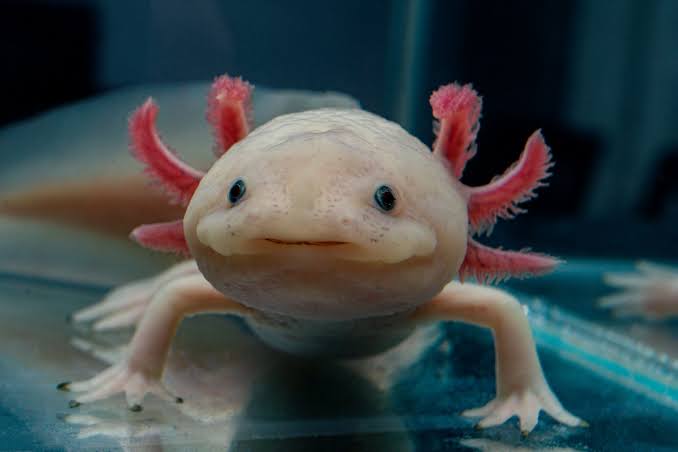
Owning an exotic pet is a rewarding experience that comes with its own set of responsibilities. These unique creatures — from reptiles and amphibians to small mammals and birds — require specialized care, especially when it comes to health management. One critical aspect of exotic pet care is understanding the role of antibiotics for exotic pets.
In this comprehensive guide, we will explore the importance of antibiotics, when and how they should be used, potential risks, and expert tips to ensure your exotic pet’s health and safety. Whether you’re a seasoned enthusiast or a new owner, this guide aims to provide valuable insights backed by veterinary science and real-world experience.
Why Are Antibiotics Important for Exotic Pets?
Exotic pets are often more susceptible to infections due to their delicate immune systems and specific habitat requirements. Bacterial infections can arise from various factors, including improper handling, contaminated food, environmental stress, or injuries.
Antibiotics play a pivotal role in combating bacterial infections, preventing their spread, and ensuring the recovery of your pet. Proper use of antibiotics can:
- Save your pet’s life in severe bacterial infections
- Prevent secondary complications
- Promote quicker recovery
- Reduce the risk of antibiotic resistance when used responsibly
Common Bacterial Infections in Exotic Pets
Understanding the types of infections that antibiotics can treat is essential for responsible ownership. Some common bacterial infections include:
1. Respiratory Infections
- Symptoms: Labored breathing, nasal discharge, wheezing
- Common in: Reptiles, amphibians, birds
2. Skin Infections
- Symptoms: Swelling, redness, abscesses, shedding issues
- Common in: Small mammals, reptiles
3. Gastrointestinal Infections
- Symptoms: Diarrhea, anorexia, lethargy
- Common in: All exotic pets, especially during stress or diet changes
4. Urinary Tract Infections
- Symptoms: Straining during urination, blood in urine
- Common in: Small mammals, reptiles
5. Systemic Infections
- Symptoms: Fever, lethargy, loss of appetite
- Common in: Any exotic pet, often requiring immediate attention
Types of Antibiotics Used for Exotic Pets
Not all antibiotics are suitable for exotic pets. The choice depends on the species, infection type, severity, and the veterinarian’s assessment. Here are some commonly used antibiotics:
1. Amoxicillin and Clavulanic Acid
- Uses: Respiratory and skin infections
- Notes: Broad-spectrum, commonly prescribed
2. Enrofloxacin (Baytril)
- Uses: Bacterial infections in reptiles and amphibians
- Notes: Effective against Gram-negative bacteria
3. Trimethoprim-Sulfamethoxazole
- Uses: Urinary and systemic infections
- Notes: Used carefully due to potential side effects
4. Metronidazole
- Uses: Gastrointestinal infections, protozoal infections
- Notes: Often combined with other antibiotics
5. Ciprofloxacin
- Uses: Severe bacterial infections
- Notes: Requires precise dosing
6. Tetracyclines
- Uses: Rickettsial infections, skin infections
- Notes: Used in specific cases
How Are Antibiotics Administered to Exotic Pets?
Administering antibiotics correctly is crucial for effectiveness and safety. Methods vary depending on the species and the medication:
1. Oral Administration
- Via medicated food, water, or direct syringe dosing
- Best for: Small mammals, reptiles, amphibians
2. Topical Application
- Creams, gels, or patches
- Best for: Skin infections
3. Injection
- Intramuscular, subcutaneous, or intravenous
- Best for: Severe infections, when oral administration isn’t feasible
Risks and Precautions When Using Antibiotics for Exotic Pets
While antibiotics are life-saving, misuse can lead to adverse effects:
- Antibiotic Resistance: Overuse or inappropriate use can lead to resistant bacteria.
- Disruption of Normal Flora: Can cause gastrointestinal issues.
- Toxicity: Some antibiotics are toxic to certain species.
- Allergic Reactions: Rare but possible.
Expert Tips:
- Always consult a veterinarian experienced with exotic pets.
- Never administer human medications without veterinary guidance.
- Follow the prescribed dosage and duration strictly.
- Monitor your pet closely for adverse reactions.
When to Use Antibiotics: Signs and Symptoms
Knowing when to seek veterinary care is vital. Watch for:
- Persistent or worsening symptoms
- Unusual discharges
- Swelling or abscess formation
- Changes in behavior or appetite
- Breathing difficulties
- Lethargy or weakness
Question:
Can I give antibiotics to my exotic pet without veterinary advice?
Answer:
It’s strongly discouraged. Misdiagnosis and improper dosing can harm your pet. Always seek advice from a veterinarian with experience in exotic animals.
Preventative Measures to Reduce the Need for Antibiotics
Prevention is better than cure. Some tips include:
- Maintaining optimal habitat conditions (temperature, humidity, cleanliness)
- Providing a balanced diet
- Quarantining new or sick animals
- Regular veterinary check-ups
- Avoiding stress and injury
The Role of Veterinarians in Antibiotic Therapy
A qualified veterinarian will:
- Diagnose accurately through physical exams and tests
- Choose the appropriate antibiotic and dosage
- Monitor progress and side effects
- Adjust treatment as needed
- Educate owners on proper care during treatment
Frequently Asked Questions (FAQs)
1. Are antibiotics safe for all exotic pets?
Answer:
Most antibiotics are safe when prescribed and administered correctly. However, some species are sensitive to certain medications. Always consult a vet before administering any antibiotics.
2. How long does antibiotic treatment usually last?
Answer:
Treatment duration varies from a few days to several weeks, depending on the infection and species. Follow your vet’s instructions precisely.
3. Can I stop antibiotics once my pet seems better?
Answer:
No. Completing the full course is essential to prevent recurrence and resistance.
4. What are the alternatives to antibiotics?
Answer:
Prevention, proper habitat maintenance, and natural remedies may reduce infection risks. However, bacterial infections often require antibiotics for effective treatment.
Feedback and Community Insights
Question:
Have you used antibiotics for your exotic pets? Share your experiences or ask questions below!
Feedback:
Owners with positive experiences emphasize the importance of early diagnosis and veterinary guidance. Some report challenges with administration but stress patience and proper technique. Always prioritize professional advice to ensure your pet’s safety.
Conclusion
Antibiotics for exotic pets are vital tools in veterinary medicine, capable of saving lives and improving health outcomes when used responsibly. As an owner, your role is to recognize symptoms early, seek professional guidance, and follow prescribed treatments diligently. Remember, the health of your exotic companion depends on your knowledge, care, and commitment.
Final Thoughts
- Always consult an exotic pet veterinarian for diagnosis and treatment.
- Use antibiotics responsibly to prevent resistance.
- Focus on preventative care to reduce the need for medications.
- Educate yourself continuously about your pet’s specific needs.
If you found this guide helpful, share it with fellow exotic pet enthusiasts and stay tuned for more expert insights!
