
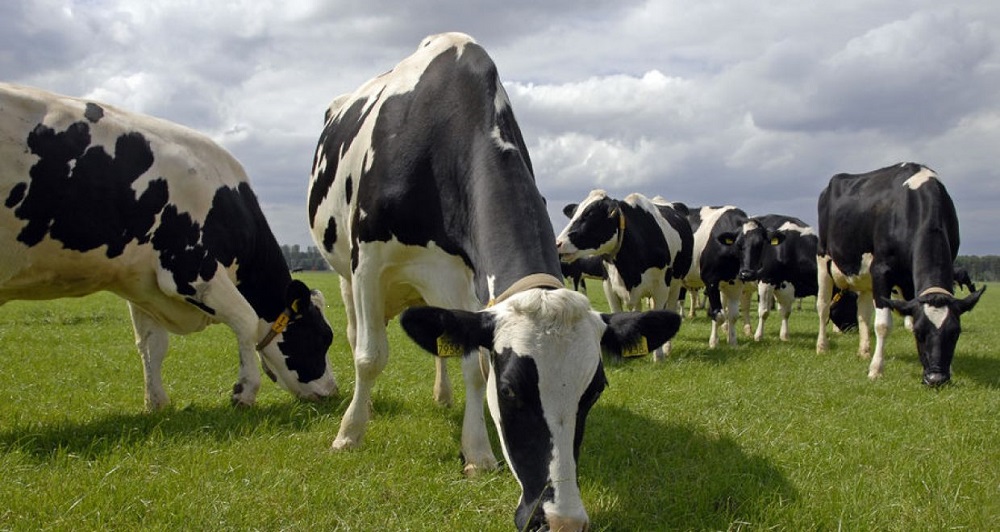
Why are Antimicrobial Peptides in Livestock Transforming Modern Animal Production
The global livestock industry is facing one of its most significant challenges: maintaining animal health while reducing dependence on conventional antibiotics. Increasing antimicrobial resistance (AMR), stricter regulations, and consumer demand for antibiotic-free animal products have accelerated research into alternative solutions.
One of the most promising innovations is the use of antimicrobial peptides in livestock.
Antimicrobial peptides (AMPs) are naturally occurring molecules produced by animals, plants, and microorganisms that help defend against harmful pathogens. In livestock production, these bioactive compounds are being researched and developed as alternatives or complements to traditional antibiotics for improving immunity, controlling infections, and supporting sustainable farming practices.
This guide explains:
- What antimicrobial peptides in livestock are
- How they work
- Their benefits for poultry, pigs, cattle, and aquaculture
- Their role in antibiotic resistance management
- Practical applications for farmers and animal health professionals
- SEO-driven answers to common questions about AMPs
What Are Antimicrobial Peptides in Livestock?
Antimicrobial peptides in livestock are short chains of amino acids that naturally protect animals against bacteria, viruses, fungi, and other pathogens.
Unlike traditional antibiotics that typically target specific bacterial processes, antimicrobial peptides often work by disrupting microbial membranes, making it more difficult for pathogens to develop resistance.
Common antimicrobial peptide sources include:
- Animal immune systems
- Plant extracts
- Beneficial microorganisms
- Synthetic peptide technologies
- Recombinant biotechnology
Examples of antimicrobial peptides studied in livestock include:
- Defensins
- Cathelicidins
- Cecropins
- Lactoferricin-derived peptides
- Synthetic antimicrobial peptides
Why Are Antimicrobial Peptides Important in Livestock Farming?
1. Reducing Antibiotic Dependence
One of the biggest challenges in animal agriculture is antibiotic overuse.
Routine antibiotic application can contribute to:
- Antibiotic-resistant bacteria
- Reduced treatment effectiveness
- Public health concerns
- Regulatory restrictions
Antimicrobial peptides offer a potential alternative approach by supporting natural immunity and reducing pathogen pressure.
2. Improving Animal Health and Productivity
Healthy animals grow better, convert feed more efficiently, and require fewer medical interventions.
Potential benefits of antimicrobial peptides include:
- Improved gut health
- Enhanced immune response
- Reduced intestinal infections
- Better nutrient absorption
- Improved growth performance
For livestock producers, healthier animals can translate into:
- Lower mortality rates
- Reduced veterinary expenses
- Improved profitability
How Do Antimicrobial Peptides Work?
Understanding the mechanism of antimicrobial peptides helps explain why they are gaining attention.
1. Bacterial Membrane Disruption
Many AMPs attach to bacterial cell membranes and create pores, causing leakage of cellular contents and bacterial death.
This mechanism differs from many conventional antibiotics, which usually interfere with bacterial growth pathways.
2. Immune System Modulation
Some antimicrobial peptides do more than kill microbes.
They can also:
- Activate immune cells
- Reduce excessive inflammation
- Improve disease resistance
- Support intestinal barrier function
3. Microbiome Regulation
The livestock gut contains trillions of microorganisms.
A balanced microbiome contributes to:
- Better digestion
- Improved immunity
- Reduced pathogen colonization
Antimicrobial peptides may help maintain a healthier microbial ecosystem.
Applications of Antimicrobial Peptides in Different Livestock Species
Antimicrobial Peptides in Poultry Production
Poultry farming is one of the major areas where AMPs are being researched.
Potential applications include:
- Reducing Salmonella contamination
- Managing Escherichia coli infections
- Improving intestinal health
- Supporting antibiotic-free poultry production
Example:
A poultry farm experiencing recurring intestinal infections may use AMP-based feed additives to strengthen gut defenses while reducing antibiotic treatments.
Antimicrobial Peptides in Pig Farming
Pig production faces challenges from pathogens such as:
- E. coli
- Salmonella
- Clostridium species
AMP supplementation has been investigated for:
- Improved piglet survival
- Better feed efficiency
- Enhanced immune development
- Reduced digestive disorders
Young animals are especially important because early-life gut development strongly influences long-term performance.
Antimicrobial Peptides in Cattle Production
In cattle farming, AMPs are being explored for:
- Mastitis management
- Digestive health improvement
- Rumen microbial balance
- Reduced antibiotic usage
Mastitis remains one of the most economically damaging diseases in dairy production. Alternative antimicrobial strategies could provide valuable support.
Antimicrobial Peptides in Aquaculture
Although not traditional livestock, aquaculture is an important animal production sector.
AMP applications include:
- Disease prevention in fish farming
- Improved survival rates
- Reduced chemical treatments
- Enhanced immune protection
Major Benefits of Antimicrobial Peptides in Livestock
Benefit 1: Natural Disease Protection
AMPs strengthen biological defense mechanisms rather than relying only on external medicines.
Benefit 2: Support for Antibiotic-Free Production
Consumers increasingly prefer meat, eggs, and dairy products produced with reduced antibiotic use.
Benefit 3: Lower Risk of Antimicrobial Resistance
Because AMPs have unique mechanisms of action, they may reduce selection pressure associated with conventional antibiotics.
Benefit 4: Sustainable Farming Practices
AMP technology supports:
- Responsible animal production
- Improved food safety
- Environmental sustainability
Challenges and Limitations of Antimicrobial Peptides in Livestock
Despite their promise, antimicrobial peptides still face practical challenges.
Production Costs
Large-scale peptide production can be expensive compared with traditional feed additives.
Stability Issues
Some peptides may degrade during:
- Feed processing
- Storage
- Digestion
Researchers are developing encapsulation technologies to improve stability.
Regulatory Approval
Different countries have different approval processes for antimicrobial peptide products.
Farmers should evaluate:
- Safety studies
- Regulatory status
- Scientific evidence
How to Optimize Livestock Health Using Antimicrobial Peptides: Practical Recommendations
1. Combine AMPs With Good Farm Management
AMPs work best as part of an integrated health strategy.
Include:
- Proper sanitation
- Vaccination programs
- Balanced nutrition
- Biosecurity practices
2. Monitor Animal Performance
Track:
- Growth rates
- Feed conversion ratio
- Disease incidence
- Mortality
- Veterinary treatments
Data-driven monitoring helps determine effectiveness.
3. Choose Evidence-Based Products
Before adopting AMP solutions:
Check:
- Peer-reviewed research
- Manufacturer transparency
- Dosage recommendations
- Species-specific evidence
Differences Between Traditional Antibiotics and Antimicrobial Peptides
Traditional antibiotics and antimicrobial peptides (AMPs) differ primarily in their origin, how they target pathogens, and how fast microbes develop resistance to them.
Key Differences
- Origin and Nature: Traditional antibiotics are mostly small-molecule organic compounds produced by fungi or bacteria (or synthesized in labs). AMPs are short chains of amino acids (usually 12 to 50 amino acids) that act as a natural part of the innate immune system in almost all living organisms.
- Mechanism of Action: Traditional antibiotics usually target specific, single cellular processes inside microbes, such as specific enzymes or protein-building steps. AMPs are usually positively charged and attach directly to the negatively charged outer membranes of pathogens, physical-tearing or creating pores that cause the cell to burst.
- Development of Resistance: Microbes easily build resistance to traditional antibiotics through specific genetic mutations. Microbes rarely develop resistance to AMPs because physical membrane destruction is harder for a pathogen to adapt against.
- Immune Response: Traditional antibiotics only attack the microbe. AMPs often work as immunomodulators, meaning they can also stimulate the host’s immune system to help fight the infection.
- Production and Stability: Traditional antibiotics are cheap to mass-produce and chemically stable. AMPs are expensive to manufacture, have a short half-life in the body, and can break down easily from natural body enzymes
| Feature | Traditional Antibiotics | Antimicrobial Peptides |
|---|---|---|
| Source | Synthetic/natural compounds | Biological peptides |
| Main action | Specific bacterial targets | Membrane disruption and immune modulation |
| Resistance concern | Higher risk | Potentially lower risk |
| Application | Disease treatment | Prevention and health support |
Frequently Asked Questions About Antimicrobial Peptides in Livestock
What are antimicrobial peptides used for in livestock?
They are used to support animal immunity, improve gut health, reduce pathogen infections, and decrease reliance on antibiotics.
Are antimicrobial peptides safe for farm animals?
Most studied antimicrobial peptides show promising safety profiles, but approval depends on product formulation, species, dosage, and regulatory evaluation.
Can antimicrobial peptides replace antibiotics in livestock?
Currently, antimicrobial peptides are viewed as complementary tools that may reduce antibiotic usage rather than completely replace antibiotics.
Do antimicrobial peptides improve livestock growth?
Some studies suggest improvements in growth performance, feed efficiency, and intestinal health when appropriate formulations are used.
How do antimicrobial peptides fight bacteria?
Many AMPs damage bacterial membranes, interfere with microbial processes, and enhance immune responses.
Are antimicrobial peptides approved worldwide?
Approval varies by country. Producers should check local agricultural and veterinary regulations.
What are antimicrobial peptides in livestock?
Antimicrobial peptides in livestock are natural or synthetic molecules that help animals fight pathogens and improve immune defense.
Are antimicrobial peptides a replacement for antibiotics?
They may reduce antibiotic dependence but are currently considered part of a broader animal health strategy rather than a complete replacement.
How do antimicrobial peptides improve livestock health?
They support pathogen control, immune regulation, and gut microbiome balance.
The Role of Antimicrobial Peptides in Sustainable Agriculture
The future of livestock production will likely combine:
- Precision farming
- Microbiome management
- Vaccination technologies
- Nutritional optimization
- Antimicrobial peptide innovations
As antimicrobial resistance continues to challenge global agriculture, antimicrobial peptides represent an important research pathway toward healthier animals and more sustainable food systems.
Conclusion
Antimicrobial peptides in livestock represent a promising advancement in modern animal health management. By supporting immunity, improving gut health, and reducing dependence on conventional antibiotics, AMPs could become a valuable component of sustainable livestock production.
For farmers, researchers, veterinarians, and agricultural businesses, understanding AMP technology is essential for preparing for the future of responsible animal farming. Lactatropin For Cattle

One Reply to “Antimicrobial Peptides in Livestock: Benefits, Applications, and Future of Animal Health”