
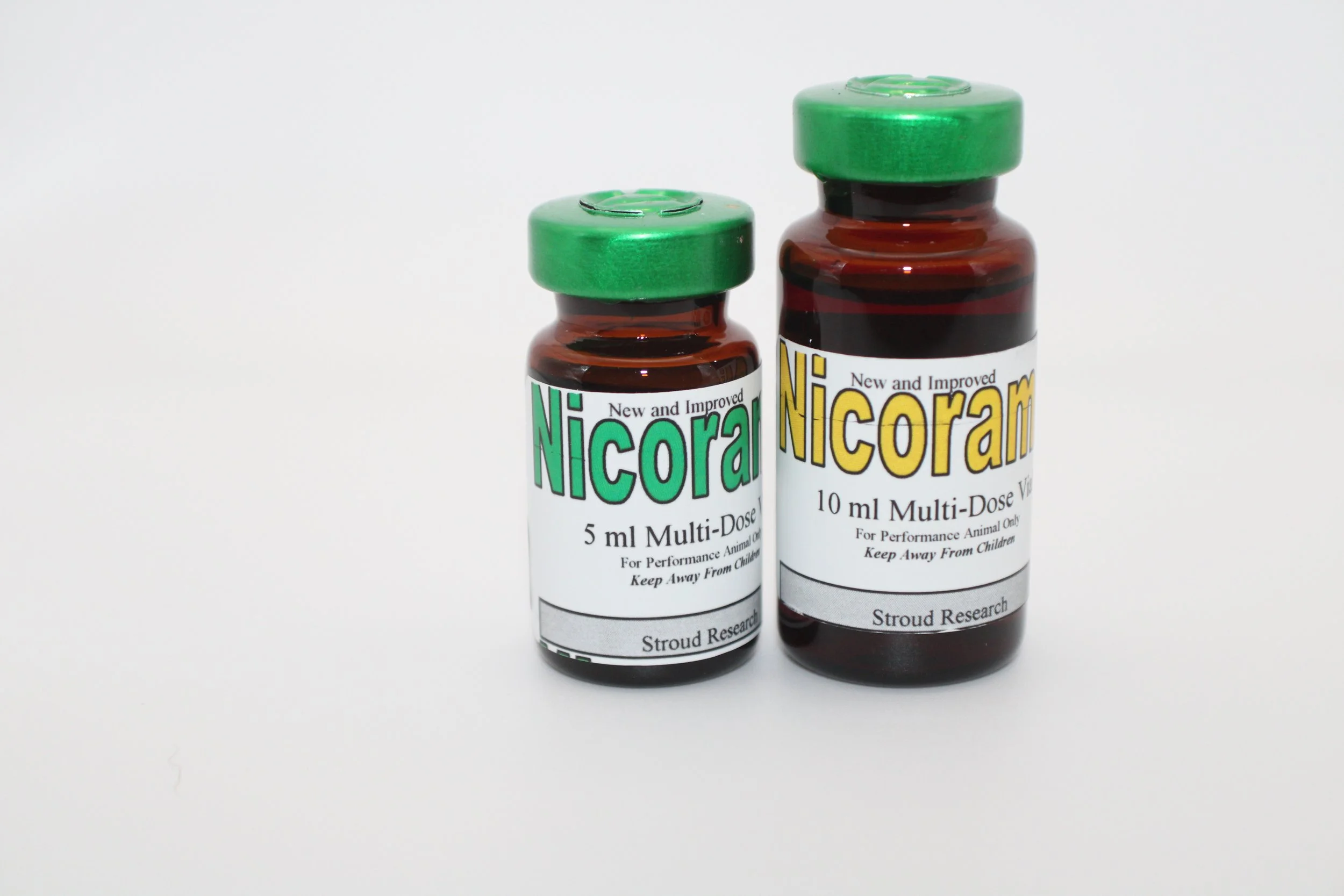
In the world of veterinary medicine and animal husbandry, ensuring the health and well-being of animals is paramount. Whether you’re a veterinarian, livestock farmer, pet owner, or animal caregiver, understanding the tools and medications available for effective treatment is crucial. One such medication gaining recognition in veterinary circles is Nicoramin solution for animal use.
This comprehensive guide delves into everything you need to know about Nicoramin solution, including its composition, uses, benefits, dosage, safety precautions, and how it can be an effective part of your animal healthcare arsenal. We will also explore real-world applications, regulatory considerations, and where to purchase authentic Nicoramin solutions.
What is Nicoramin Solution?
Nicoramin solution is a pharmaceutical preparation primarily used in veterinary medicine for various purposes, including local anesthesia, vasoconstriction, and management of certain inflammatory conditions in animals. The active ingredient in Nicoramin is Nicotinamide, combined with other excipients that facilitate its application and effectiveness.
According to the product information provided on Bdneny Equine Therapy, Nicoramin comes in a 5ml vial suitable for various animal species, including livestock, pets, and poultry.
Composition of Nicoramin Solution
While formulations can vary depending on the manufacturer and intended use, typical components include:
- Nicotinamide (Niacinamide): The active compound that provides the primary therapeutic effects.
- Vasoconstrictors: To reduce bleeding and improve visibility during procedures.
- Buffering agents: To stabilize pH and ensure stability.
- Preservatives: To prevent microbial contamination.
Note: Always verify the specific formulation and concentration with your supplier or veterinarian.
Uses and Indications of Nicoramin Solution in Animals
1. Local Anesthesia
Nicoramin solution is often used as a local anesthetic agent in veterinary procedures. It helps numb specific areas, allowing for pain-free surgeries, injections, and diagnostic procedures.
2. Hemostasis and Vasoconstriction
In surgical procedures, controlling bleeding is vital. Nicoramin’s vasoconstrictive properties make it useful for reducing blood flow to targeted tissues, providing a clearer surgical field and minimizing blood loss.
3. Management of Inflammatory Conditions
In some cases, Nicoramin is used to reduce inflammation and swelling in affected tissues, especially in cases of trauma or infection.
4. Treatment of Skin Lesions and Wounds
Its application can assist in wound management by constricting blood vessels and reducing bleeding, thereby promoting better healing conditions.
5. Veterinary Dental Procedures
For animals requiring dental cleaning, extractions, or oral surgeries, Nicoramin provides effective local anesthesia and hemostasis.
Advantages of Using Nicoramin Solution for Animal Care
- Rapid Onset of Action: Provides quick anesthesia and vasoconstriction.
- Localized Effect: Minimizes systemic absorption and side effects.
- Ease of Use: Available in convenient vial sizes suitable for various applications.
- Cost-Effective: A practical option for both small clinics and large farms.
- Versatile: Suitable for multiple species and procedures.
Application Methods and Dosage Guidelines
Proper application of Nicoramin solution is essential to maximize benefits and ensure animal safety. The following are general guidelines; always follow the manufacturer’s instructions and consult a veterinarian for specific cases.
General Dosage and Administration
- Dosage: Typically, 0.1 to 0.5 ml per injection site, depending on the species, size, and procedure.
- Administration Route: Usually administered via infiltration or local injection directly into the tissue.
- Preparation: Ensure the solution is sterile and properly stored. Shake well before use.
- Frequency: Usually, a single application per procedure; repeat doses should be administered only under professional supervision.
Specific Application Tips
- Clean and disinfect the injection site before administration.
- Use sterile syringes and needles.
- Avoid injecting into blood vessels or nerves.
- Monitor the animal for any adverse reactions during and after administration.
Safety and Precautions
While Nicoramin solution is generally safe when used correctly, certain precautions are necessary to prevent adverse effects.
Contraindications
- Known hypersensitivity to Nicoramin or any of its components.
- Animals with cardiovascular issues, hypertension, or other systemic illnesses unless approved by a veterinarian.
- Use with caution in young, pregnant, or lactating animals.
Possible Side Effects
- Transient pain or swelling at the injection site.
- Allergic reactions such as itching, swelling, or difficulty breathing.
- Systemic effects if absorbed in large quantities, including increased heart rate or blood pressure.
Precautions
- Always perform a patch test before full application if the animal has a history of allergies.
- Do not exceed recommended dosages.
- Keep out of reach of children and unauthorized personnel.
- Store in a cool, dry place away from direct sunlight.
Regulatory and Quality Considerations
When purchasing Nicoramin solution, ensure it complies with local veterinary pharmaceutical regulations. Only buy from reputable suppliers who provide:
- Authentic product certificates.
- Proper labeling and packaging.
- Clear storage instructions.
- Batch and expiry information.
Using counterfeit or substandard products can pose serious health risks to animals and compromise treatment outcomes.
How to Purchase Authentic Nicoramin Solution
To ensure safety and efficacy, always source Nicoramin from trusted veterinary pharmaceutical suppliers. The product linked from Veterinary Supplies is an example of a reliable source offering genuine Nicoramin 5ml vials.
When purchasing:
- Verify the supplier’s credentials.
- Check for proper licensing and certification.
- Confirm product authenticity through batch numbers and certificates.
- Ensure appropriate storage and handling instructions are provided.
Case Studies and Practical Applications
Case Study 1: Equine Dental Surgery
A veterinarian used Nicoramin solution to perform a tooth extraction on a horse. The local anesthesia provided rapid numbness, and vasoconstriction minimized bleeding. The procedure was smooth, with minimal discomfort and quick recovery.
Case Study 2: Poultry Wound Management
In a poultry farm, Nicoramin was applied to control bleeding and reduce pain in injured chickens. Its vasoconstrictive properties helped contain bleeding, and the animals recovered swiftly.
Case Study 3: Small Animal Surgery
A dog undergoing a skin tumor removal received local anesthesia with Nicoramin. The veterinarian noted excellent pain control, minimal bleeding, and a smooth postoperative recovery. Posilac for bovine
Frequently Asked Questions (FAQs)
Q1: Is Nicoramin suitable for all animal species?
A: Nicoramin is versatile and can be used across various species, including dogs, cats, horses, livestock, and poultry. However, dosage and application methods should be tailored to each species and individual animal.
Q2: Can Nicoramin be used for large surgical procedures?
A: Yes, but for extensive surgeries, it might be used in combination with other anesthetic agents as part of a comprehensive anesthesia plan. Always consult a veterinarian.
Q3: How long does the anesthesia or vasoconstrictive effect last?
A: Typically, effects last from 30 minutes to 2 hours, depending on the dose and application site.
Q4: Are there any contraindications for using Nicoramin?
A: Yes. Avoid use in hypersensitive animals, and exercise caution in animals with cardiovascular issues or systemic illnesses.
Q5: Where can I buy authentic Nicoramin solution?
A: Reputable veterinary pharmaceutical suppliers, online veterinary stores, and authorized distributors like RBedny Equine Therapy.
Conclusion
Nicoramin solution for animal use is a valuable tool in veterinary medicine, offering effective local anesthesia, vasoconstriction, and anti-inflammatory benefits. When used appropriately, it enhances surgical outcomes, reduces animal suffering, and improves overall healthcare efficiency.
As with all medications, proper application, dosage, and safety precautions are essential. Always consult a licensed veterinarian before incorporating Nicoramin into your treatment protocols. Ensuring you purchase genuine, high-quality products from trusted suppliers will safeguard animal health and optimize treatment success.
Final Remarks
In the evolving field of veterinary medicine, staying informed about the latest medications like Nicoramin is vital. This comprehensive guide aims to empower veterinarians, animal caretakers, and pet owners with essential knowledge to use Nicoramin effectively and safely.
Remember: When in doubt, always seek professional veterinary advice to ensure the best care for your animals.
