
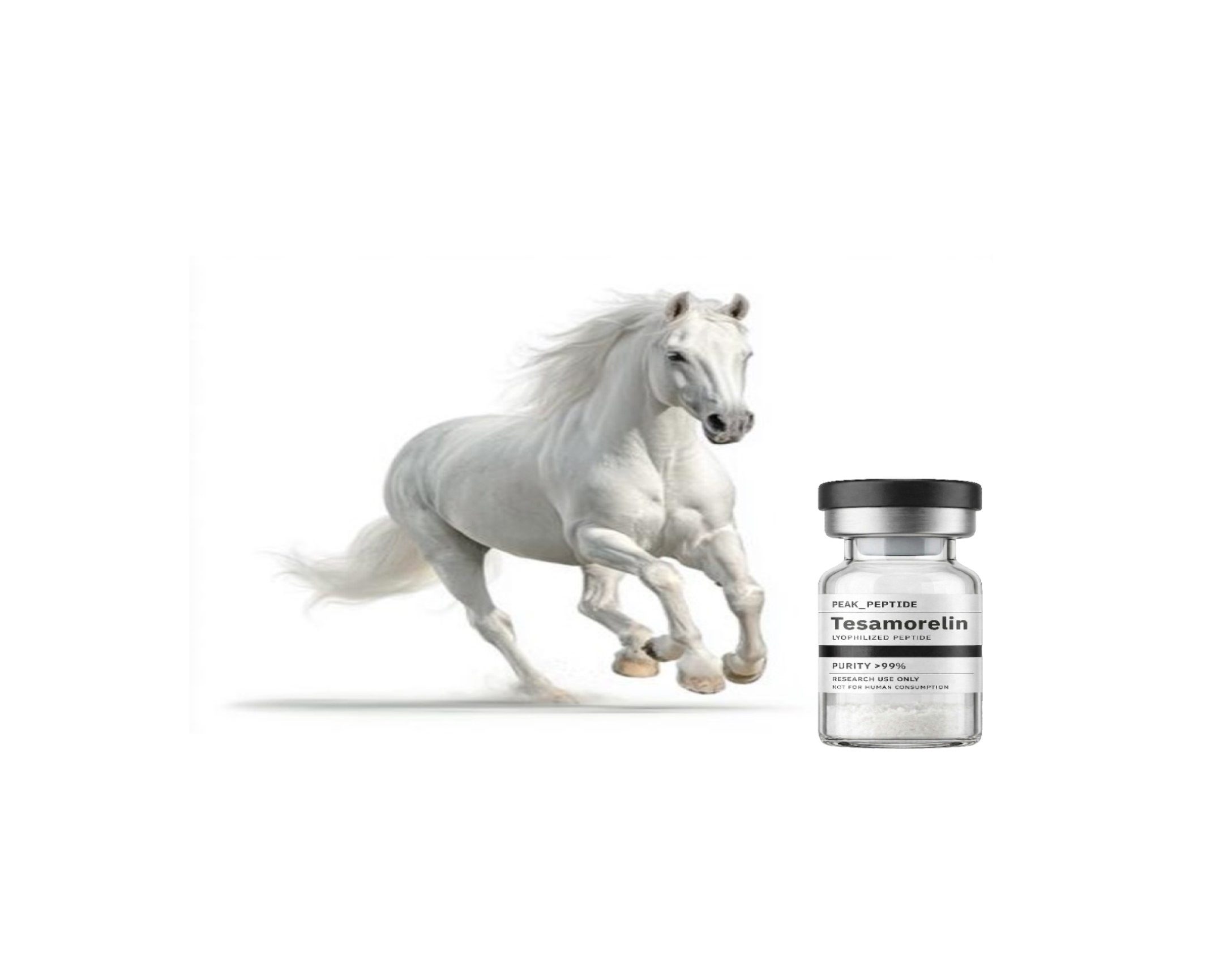
In the rapidly evolving field of veterinary medicine and animal health, advancements in peptide therapies and hormone treatments are transforming how we approach aging, performance, and overall well-being in animals. Among these groundbreaking compounds is Tesamorelin, a synthetic peptide that has gained recognition for its potential to stimulate growth hormone release. While originally developed for human medical applications, increasing interest surrounds its use in animals for various health benefits.
If you’re a veterinarian, pet owner, or animal enthusiast seeking to explore innovative ways to enhance animal health, this comprehensive guide will provide everything you need to know about Tesamorelin for animal use. We will delve into its mechanisms, benefits, safety considerations, and how it compares to other hormone therapies.
What is Tesamorelin?
Tesamorelin is a synthetic peptide that mimics the action of growth hormone-releasing hormone (GHRH). It stimulates the pituitary gland to produce and release more endogenous growth hormone (GH). Originally developed for treating lipodystrophy in HIV-infected patients, Tesamorelin’s ability to promote GH secretion has sparked interest in its potential applications beyond human medicine, including animal health and veterinary medicine.
Chemical Composition and Properties
- Chemical Name: [GHRH analog]
- Molecular Formula: C_164H_251N_45O_44S
- Mechanism of Action: Stimulates the pituitary gland to release GH
How Does Tesamorelin Work?
Tesamorelin operates by binding to GHRH receptors in the pituitary, leading to increased secretion of growth hormone. Elevated GH levels then stimulate the production of insulin-like growth factor 1 (IGF-1), which supports tissue growth, repair, and metabolic regulation.
The Potential of Tesamorelin for Animal Use
While initially used for human medical conditions, recent research and anecdotal evidence indicate that Tesamorelin may offer several benefits for animals. These include:
- Improved muscle mass and strength
- Enhanced recovery from injuries
- Anti-aging effects
- Improved metabolic health
- Support for reproductive health
Why Consider Tesamorelin for Animals?
- Enhanced Growth and Development: Particularly useful for breeding animals or young animals needing support during growth phases.
- Rehabilitation and Recovery: Helps animals recover faster from surgeries or injuries by promoting tissue regeneration.
- Anti-Aging Benefits: May improve vitality and lifespan in aging pets or working animals.
- Metabolic Support: Helps manage obesity and metabolic disorders.
Applications of Tesamorelin in Veterinary Medicine
1. Performance Animals
In racehorses, dogs, and other performance animals, maintaining optimal muscle mass, stamina, and recovery is essential. Tesamorelin can potentially:
- Increase muscle hypertrophy
- Improve endurance
- Accelerate healing from injuries
2. Aging Pets and Animals
Older animals often experience declining hormone levels, leading to decreased activity, muscle loss, and health issues. Tesamorelin may:
- Promote a youthful metabolic profile
- Improve skin and coat health
- Increase energy levels
3. Reproductive Support
Hormonal balance is crucial for breeding animals. Tesamorelin may:
- Support reproductive hormone function
- Enhance fertility
- Aid in postpartum recovery
4. Injury and Post-Surgical Recovery
By stimulating tissue regeneration, Tesamorelin aids in:
- Faster wound healing
- Reduced recovery times
- Improved tissue repair
Safety Profile and Considerations
While promising, the use of Tesamorelin in animals must be approached with caution. Currently, there is limited formal research on its safety and efficacy in veterinary applications, which underscores the importance of consulting qualified veterinary professionals before use.
Potential Side Effects
- Swelling or Edema
- Increased Appetite
- Changes in Behavior
- Hormonal Imbalances
Contraindications
- Pregnant or lactating animals
- Animals with hormone-sensitive tumors
- Animals on other hormone therapies
Legal and Ethical Considerations
- Check local regulations regarding peptide use in animals
- Use only under veterinary supervision
- Ensure sourcing from reputable suppliers to guarantee purity and safety
How to Administer Tesamorelin in Animals
Dosage and Administration
Since specific dosing regimens for animals are not yet standardized, veterinary guidance is essential. Dosages may vary based on:
- Animal species and size
- Age and health status
- Intended purpose (e.g., performance, aging, recovery)
Administration Routes
- Subcutaneous injections are most common
- Intravenous or intramuscular routes may be considered under veterinary supervision
Monitoring and Follow-Up
Regular health check-ups and blood work to monitor hormone levels, metabolic parameters, and overall health are crucial during therapy.
Comparing Tesamorelin to Other Hormone and Peptide Therapies
| Aspect | Tesamorelin | GH (Growth Hormone) Therapy | Other Peptides (e.g., Sermorelin) |
|---|---|---|---|
| Mechanism of Action | GHRH analog | Direct GH administration | GHRH analogs |
| Safety Profile | Favorable in humans (limited data in animals) | Variable, risk of overdose | Similar |
| Cost | Moderate to high | High | Varies |
| Ease of Use | Injectable | Injectable | Injectable |
| Potential Benefits | Stimulates endogenous GH release | Immediate GH increase | Stimulates GH, IGF-1 |
Note: Always consult veterinary professionals before choosing a therapy.
Sourcing and Purchasing Tesamorelin for Animal Use
Given that Tesamorelin is primarily approved for human use, sourcing it for animals requires careful consideration:
- Reputable Suppliers: Ensure products come from certified sources adhering to pharmaceutical standards.
- Purity and Quality: Check for certificates of analysis.
- Legal Compliance: Verify local regulations regarding peptide use in animals.
Where to Find Tesamorelin for Animal Use?
While the referenced website (https://realbrownbeauties.com/product-category/hormone-and-peptides/) offers various peptides and hormones, it’s crucial to confirm that the supplier explicitly states the product’s suitability for veterinary use.
Future Perspectives and Research
The field of veterinary peptide therapy is still in its infancy. Ongoing research aims to:
- Establish standardized dosing protocols
- Confirm safety and efficacy
- Develop veterinary-specific formulations
Tesamorelin holds promise as a tool to improve animal health, longevity, and performance when used responsibly under professional supervision. Dexacortyl for Equine
Conclusion
Tesamorelin for animal use represents a frontier in veterinary medicine, offering potential benefits in growth, recovery, anti-aging, and metabolic health. While current evidence is promising, it is essential to approach its application with caution, ensuring proper veterinary oversight, sourcing from reputable suppliers, and adherence to legal guidelines.
As research progresses, Tesamorelin may become an integral component of advanced veterinary therapies, helping animals live healthier, longer lives.
FAQs
Is Tesamorelin safe for all animals?
Currently, safety data in animals is limited. Always consult a veterinarian before use.
Can I buy Tesamorelin online?
Yes, but ensure you purchase from reputable, certified suppliers, and verify legal compliance in your region.
How long does it take to see results?
Results vary; some may observe changes within weeks, while others may require longer. Monitoring by a veterinarian is essential.
Are there natural ways to boost growth hormone levels in animals?
Yes, proper diet, exercise, and managing stress can help optimize hormone levels naturally.
References
- Bdneny Equine Therapy – Hormone and Peptides
- Scientific Literature on GHRH Analogues
- Veterinary Peptide Therapy Research
Disclaimer: This article is for informational purposes only. It does not substitute professional veterinary advice. Always consult a qualified veterinarian before administering any hormone or peptide therapy to animals.
