
Hormone And Peptides
Hormone And Peptides
Peptides and hormones are deeply connected because many vital hormones such as insulin, growth hormone, and oxytocin are actually peptide hormones made of short amino acid chains. While traditional hormone replacement therapy directly supplies missing hormones, peptide therapy uses targeted amino acid sequences to signal your body to produce or regulate its own natural functions.
Growth hormone is a peptide hormone that stimulates growth, cell reproduction, and cell regeneration in humans and other animals. HGH, EGH, BTS, rBGH
Key Differences in How They Work
- Structure: Hormones can be large proteins, steroids, or amino acid derivatives; peptides are strictly short chains of 2 to 100 amino acids.
- Action: Hormones often trigger widespread, whole-body systemic effects. Peptides act as precise signaling messengers that focus on specific pathways like tissue repair, metabolism, or growth hormone release.
- Goal: Hormone therapy replaces what is missing. Peptide therapy stimulates or modulates biological pathways.
Common Examples and Uses
- Peptide Hormones: Insulin regulates blood sugar; GLP-1 analogs manage appetite and metabolism; growth hormone controls tissue growth.
- Therapeutic Peptides: Growth hormone-releasing peptides (like sermorelin) are used for recovery, while others like BPC-157 target tissue repair.
Established Peptide Hormones in Veterinary Care
- Insulin: Standard peptide hormone used to manage diabetes mellitus in dogs and cats.
- Oxytocin: Utilized in livestock and companion animals to stimulate uterine contractions during labor and support milk letdown.
- Vasopressin / Desmopressin: Applied in emergency critical care or to manage cranial diabetes insipidus.
- Glucagon: Used for severe hypoglycemic crises.
Regenerative and Supportive Peptides
- BPC-157: Explored for gastrointestinal mucosal protection and soft-tissue or joint recovery.
- TB-500 (Thymosin Beta-4): Studied for its role in cellular migration, wound healing, and muscle recovery.
- Thymosin Alpha-1: Used adjunctively for immune system modulation in aging pets.
Hormones and therapeutic peptides in veterinary medicine are specialized amino acid chains and chemical messengers used to regulate reproduction, manage metabolic disorders like diabetes, and support tissue healing or immune function in animals
Veterinary Peptides
Veterinary peptides are short chains of amino acids used in animals as targeted biological messengers. They regulate cellular functions like tissue repair, inflammation, and immune response. While traditional options include insulin or oxytocin, newer exploratory therapies target joint pain, gut health, and wound healing in pets.
Common Types and Uses
- BPC-157: Explored to support gut lining repair and reduce gastrointestinal inflammation.
- TB-500 (Thymosin Beta-4): Used experimentally to assist soft-tissue healing, cell migration, and muscle recovery.
- Collagen Peptides: Frequently added to supplements to support canine and feline joint mobility and skin health.
- Traditional Peptides: Approved pharmaceutical options like oxytocin for reproduction management or insulin for diabetes.
Peptides In Veterinary Medicine
Peptides In Veterinary Medicine are especially indicated for treating animals used in food production such as livestock as well as companion animals are treated with LHRH (GnRH, gonadorelin) and its agonists and antagonists to regulate fertility and reproduction as well as to treat disorders of the reproductive tract. A number of LHRH analogs have been applied in the regulation of reproduction in animals:
- Alarelin
- Azagly-Nafarelin
- Buserelin
- Deslorelin
- Fertirelin
- Goserelin
- Lecirelin
- Leuprolide
- Lutrelin
- Nafarelin
- Peforelin
- Triptorelin
Gonadotropin-Releasing Hormone (GnRH, LHRH) and Analogs
Besides GnRH, deslorelin, leuprolide, and buserelin are probably the most often commonly prescribed synthetic peptides in veterinary medicine and livestock breeding. GnRH agonists are metabolized more slowly than the native hormone which allows for the use of much lower doses and thus reduces treatment costs.
In female dogs, a single dose of buserelin during heat will induce ovulation. In cows, a postinseminal application will assist the corpus luteum, and administration coinciding with insemination will delay ovulation, which alternatively can be induced by an injection of fertirelin 10 to 17 days postpartum.
Anti-GnRH vaccines
As an additional tool for non-surgical spaying, anti-GnRH vaccines were recently developed. The C-terminally elongated peptide hormone is linked to a carrier protein, and the resulting conjugate is applied in combination with an adjuvant to achieve immunization against endogenous LHRH.
A GnRH-keyhole limpet hemocyanin conjugate vaccine has been developed as a contraceptive to control wildlife. Effective after a single vaccination, it has been applied to bison, deer, feral pigs, and others.
In male pigs, the anti-LHRH-vaccine is injected in two doses several weeks before slaughtering to control boar taint. Another anti-LHRH-vaccine has been registered for the treatment of benign prostatic hyperplasia in dogs.
Ovsynch
The synchronization of ovulation in dairy cattle is the most important application of GnRH and analogs in animal husbandry. Unfortunately, heifers respond only poorly to Ovsynch and artificial insemination, but suitable modifications of the protocol could be developed. Buserelin, fertirelin and other GnRH agonists have also been administered in synchronization schemes.
GnRH in aquaculture
Not all fish species can be bred efficiently by stimulating reproduction with GnRH agonists. Hence, the development of combination products composed of GnRH agonists as (Des-Gly10, D-Arg6, Pro-NHEt9)-salmon GnRH (sGnRH-A), or alarelin (LHRH-A), and dopamine D2 receptor antagonists as pimozine or domperidone meant a breakthrough for fish farming, as they allowed reliable induction and synchronization of ovulation and spawning („Linpe method“).
Oxytocin and Carbetoxin
Oxytocin and its more stable carba analog carbetocin are administered to induce normal labor and facilitate parturition in livestock (cows, ewes, sows, goats) as well as in pets. In captive birds such as budgerigars or cockatiels, oxytocin and its avian analog vasotocin help to induce oviposition in case of egg binding. Oxytocin, which is produced in the hypothalamus, and synthetic carbetocin act on the smooth musculature of the female reproductive system.
Vasopressin and Desmopressin
Vasopressin (Antidiuretic Hormone, ADH), a peptide hormone secreted by the hypothalamus, acts on the renal tubulus cells. Most mammals produce (Arg8)-Vasopressin (Arg-Vasopressin, AVP), whereas the Lys8 analog is secreted in pigs.
Glucagon, Peptides in Pancreatic Disorders
Glucagon
Glucagon, as its antagonist insulin, is secreted by the pancreas. The peptide hormone is used as emergency medication in cases of severe hypoglycemia, as it upregulates plasma glucose. Management of bovine fatty liver disease (FLD, Steatosis hepatis) is an important application of this hormone in veterinary medicine. FLD is an accumulation of fat (especially triglycerides) in the liver occurring in cows after calving.
C-Peptide
Canine C-peptide is applied as a diagnostic tool for monitoring diabetes in dogs. This peptide is released together with insulin from a precursor peptide, so its plasma concentration indicates how much insulin is being produced by the pancreas. The extent of β-cell loss can be deduced from the result.
Octreotide and analogs
Octreotide, a synthetic somatostatin analog showing higher activity and increased half-life, was evaluated in the management of insulinomas in dogs. Octreotide is a long-acting inhibitor of pancreatic secretion, which helps to prevent complications after pancreatic surgery. Single photon emission computed tomography (SPECT) applying 111In-pentetreotide allows the detection and localization of canine insulinomas.
Diagnostics
TRH
In horses, a TRH test alone or in combination with the dexamethasone suppression test (DST) is performed to diagnose pituitary gland hyperplasia (pituitary pars intermedia dysfunction (PPID) or equine Cushing’s disease (ECD)).
ACTH and cosyntropin (tetracosactide)
Corticotropin (ACTH) and cosyntropin (tetracosactide) are used diagnostically to detect adrenal disorders, especially in dogs, cats, and horses. Both peptides stimulate the adrenal cortex (zona fasciculata) and induce the production of glucocorticoids. The use of cosyntropin is indicated in case of allergic reactions to the natural hormone.
Ceruletide
Ceruletide (caerulein) has been proposed as a diagnostic of hepatic dysfunctions in dogs. The cholecystokinin (CCK) analog stimulates postprandial serum bile acid, and is a more efficient secretagogue than CCK.
Prospective Peptide Drugs
Peptide drugs
Peptide drugs such as exenatide or teriparatide, which have been successfully established in human medicine, can likely also be applied to treat similar medical conditions of companion animals and horses. The somatostatin analogs lanreotide and the recently approved pasireotide also show potential in veterinary medicine, e.g. in the treatment of canine Cushing’s disease or feline hypersomatotropism.
Peptide vaccines
Peptide-based vaccines could be a safer alternative to immunization using the inactivated virus. Peptide vaccines present a number of advantages, as they are easily available (also on large scale), relatively cheap, shelf-stable, chemically well-defined compounds.
Antimicrobial peptides
An alternative to the antibiotics used in animals involved in food production may come from antimicrobial peptides, which have been described in many organisms. These peptides have a wide spectrum of action.
They can kill gram negative and gram positive bacteria, enveloped viruses, yeasts, and moulds. Several peptides were recently discovered in shrimp and oysters, where they are essential elements of innate defense, in the absence of acquired immunity.
Other Peptides Includes:-
Renate Rutit, Tirzepatide, Kahlil-Tideed, Semelelutin, NAD+, Dehydromethyltest (4-Chlorodehydromethyltestosterone (Turinabol,Tbol,TUR), Drostanolone Enanthate (Masteron E,Dros E,Mast E,DRE), Drostanolone Propionate (Masteron P,Dros p,Mast p,DRP), Methandrostenolone(Dianabol), Metandienone (Dianabol,DB,Dbol), Nandrolone Decanoate (Deca,ND,Nand Deca), Oxandrolone (Anavar,OA,Var), Testosterone Blend (Sustanon250,Sus250), Testosterone Cypionate(Test c,Test cyp,TC), Testosterone Enanthate (Test e ,Test en,TE), Testosterone Propionate (Test p,Test prop,TP), Trenbolone Acetate (Tren A,Tren Ace)
Showing 1–16 of 75 results
-

Acth Gel 10ml
$50.00 Add to cart -
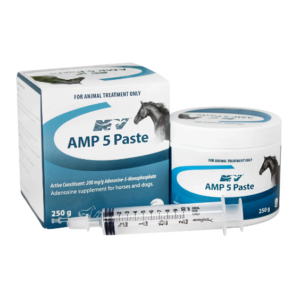
AMP-5 Paste 250g
$250.00 Add to cart -

Anabol 50ml
$150.00 Add to cart -
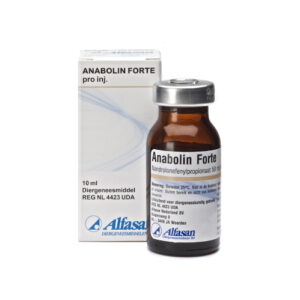
Anabolin Forte 10ml
$50.00 Add to cart -
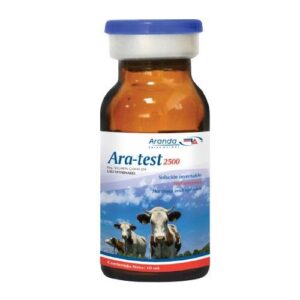
Ara-Test 2500 10ml
$45.00 Add to cart -

Atomic Gold Implants 500ml
$120.00 Add to cart -

Body Builder 32oz
$75.00 Add to cart -
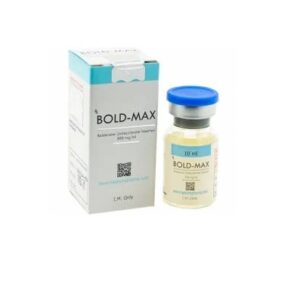
Bold-Max 300mg
$80.00 Add to cart -
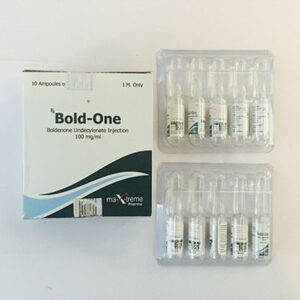
Bold-one
$62.00 Add to cart -

Booster 10ml
$25.00 Add to cart -
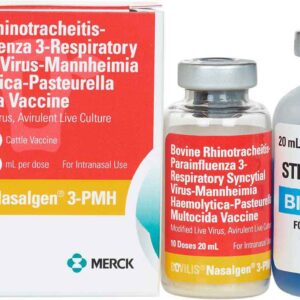
Bovilis Nasalgen 3-PMH
Price range: $42.00 through $194.00 Select options This product has multiple variants. The options may be chosen on the product page -
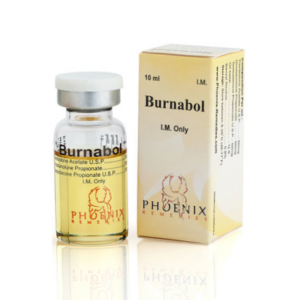
Burnabol 10ml
$108.00 Add to cart -

Cardioruzth 50ml
$93.00 Add to cart -
Sale!

Cobalt Plus 100ml
Original price was: $175.00.$150.00Current price is: $150.00. Add to cart -

Corebral 50ml
$28.00 Add to cart -

Crescer 50ml
$55.00 Add to cart
